
AI-Generated Cinematic Realism
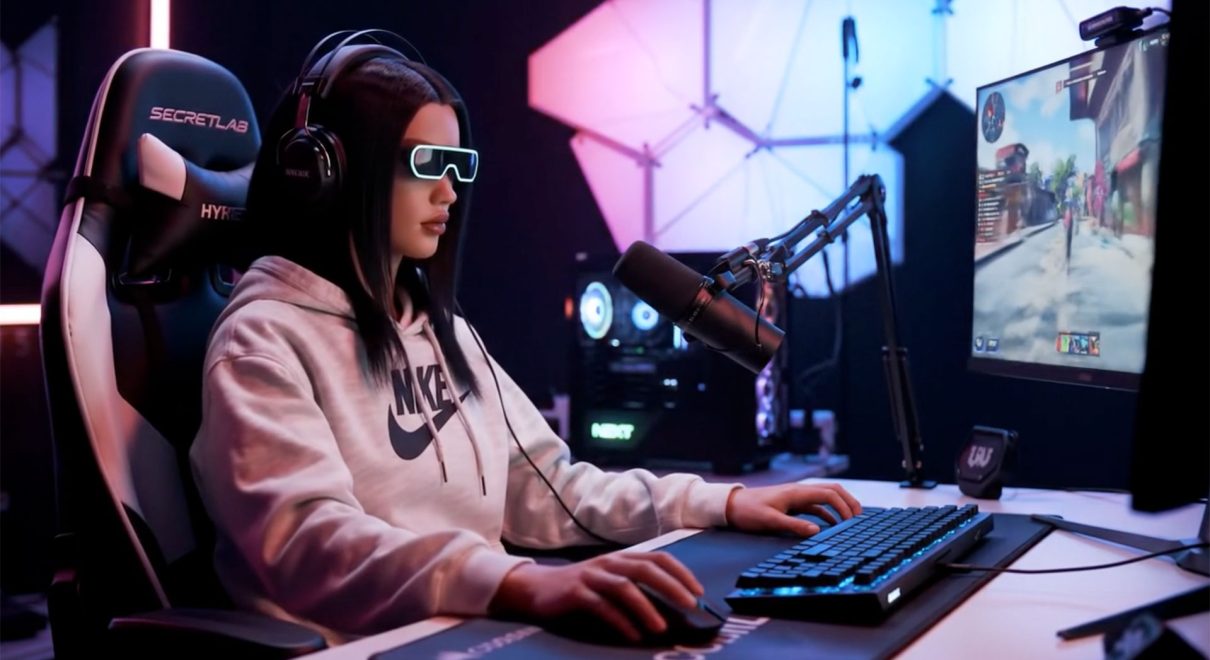
In the fast-evolving world of AI-generated video, prompt engineering plays a crucial role in achieving realism. To test the effectiveness of two leading models—Kling 1.6 and Google VEO-2, I conducted a controlled experiment using the same prompt to create an identical 5-second hyper-realistic gamer video.
However, in the Kling 1.6 version, I introduced an additional layer of refinement. I used the first frame of the Google VEO-2 output as a reference image in Kling 1.6.
This experiment raises an important question. How much does reference imagery enhance AI-generated realism?
Technical Breakdown
Prompt Consistency
Both models received the exact same detailed prompt, including:
- Camera Type & Settings: Focal length, aperture, exposure
- Lighting & Shadows: Natural daylight simulation
- Color Profile: Cinematic grading with high dynamic range
- Angles & Depth of Field: Professional-grade cinematography
Kling 1.6 – Reference Image Integration
First frame from VEO-2 was used as a reference. Resulted in better consistency, realism, and stability in visual composition
Google VEO-2 – Direct AI Generation
- No reference image input
- Generated an impressive first frame, but some inconsistencies in motion
Results & Observations
Kling 1.6
Higher consistency in object rendering, lighting realism, and smooth motion
Google VEO-2
Slight variations in consecutive frames, yet highly detailed textures