
Cinematic aspect ratio refers to the relationship between the width and height of an image. Many different aspect ratios have been used in cinema, television and digital media at different times and for different purposes. Here are the most common cinematic aspect ratios and their uses:
1. Classical and Standard Aspect Ratios
1.33:1 (4:3) – Academy Ratio
- Used for classic television and early cinema films.
- Common between the 1930s-1950s.
- Seen in classic productions such as the early films of Charlie Chaplin and Alfred Hitchcock.
1.37:1 – Academy Standard
- Standardised by the Academy in 1932.
- Frequently used in old Hollywood films.
2. Modern Cinema and Widescreen Formats
1.66:1 – European Standard Widescreen
- Used in European films.
- Common in French and Italian cinema.
1.78:1 (16:9) – HDTV and Modern Digital Video
- It is the standard ratio of today’s television and digital content.
- Commonly used on Netflix, YouTube, television series and digital platforms.
1.85:1 – American Cinema Standard
- Widely used in Hollywood films.
- Appears in many popular films from the 1980s to the present day.
- Example Films: Jurassic Park, The Social Network, Mad Max: Fury Road
3. Ultra Wide and Epic Cinema Formats
2.20:1 – 70mm Film Format (Todd-AO)
- It was used in epic and wide scenic films shot in 70mm film format.
- Example Films: Lawrence of Arabia, Dunkirk
2.35:1 – Anamorphic Scope (Old Standard)
- It was popular in the 1950s for widescreen films shot with anamorphic lenses.
- Example Films: Star Wars (1977), Indiana Jones
2.39:1 – Modern Anamorphic Cinema Standard
- The most widely used cinematic aspect ratio in today’s cinema.
- Example Films: The Avengers, Inception, Interstellar
2.76:1 – Ultra Panavision 70
- The extreme widescreen format was used with 70mm film.
- Example Films: Ben-Hur, The Hateful Eight (Tarantino)
4. Experimental and Special Use Formats
1:1 – Square Format
- It is frequently used in Instagram and mobile video content.
- Example Usage: Social media videos, experimental films
2:1 – Red Digital Format
- Developed by RED cameras and used in some modern films.
- Example Films: House of Cards (Netflix), The Revenant (Some scenes)
3.00:1 and Above – Extreme Cinematic Formats
- Used in IMAX and special projection systems.
- Example Films: Dunkirk (IMAX scenes), The Dark Knight (IMAX scenes)
Which Aspect Ratio to Use?
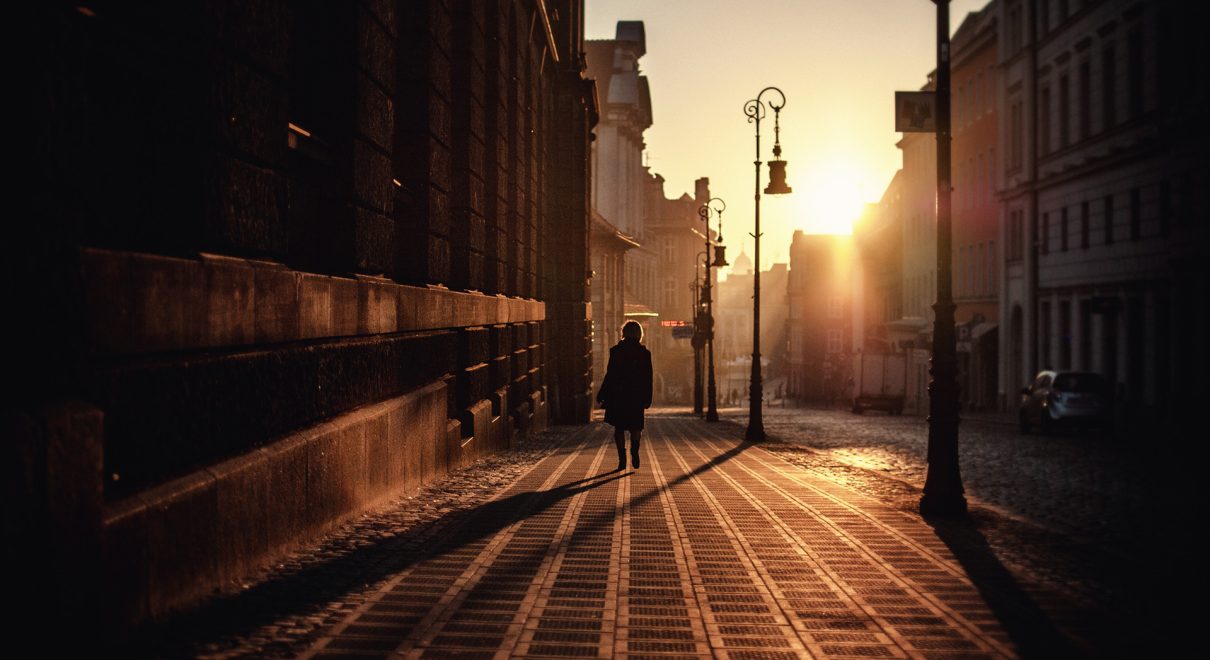
For Dramatic and Cinematic Images: 2.39:1 or 2.35:1
For YouTube and Digital Content: 16:9 (1.78:1)
For Epic and Historical Films: 2.20:1 (70mm) or 2.76:1 (Ultra Panavision)
For Mobile and Social Media: 1:1 (Square) or 9:16 (Portrait)
Aspect ratio contributes greatly to the narrative and feel of a production. While the most commonly used ratios today are 2.39:1 (for cinema) and 16:9 (for television and digital platforms), the format chosen can vary depending on the story, platform and audience experience.